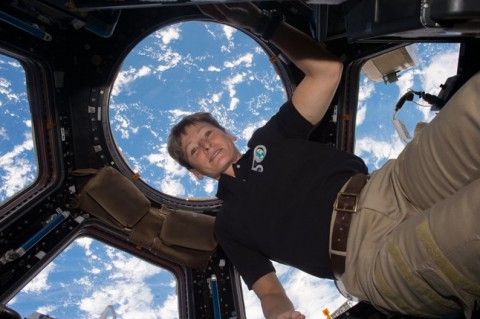
Peggy Whitson’s first space mission took place in 2002 aboard the International Space Station’s Expedition 5 as a flight...
All posts that are for World Space Week
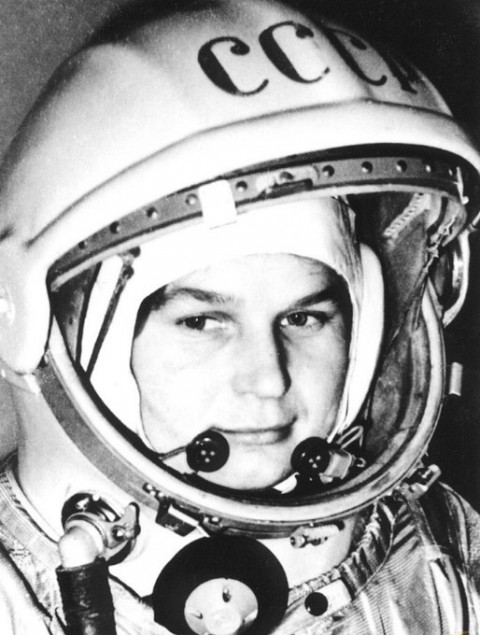
Valentina Tereshkova: First Woman in Space
Caitlin MacArthur, valentina tereshkova, Women in Space, world space week, 0In 1963, Valentina Tereshkova became the first woman in space when she launched aboard the Soviet space program’s Vostok...
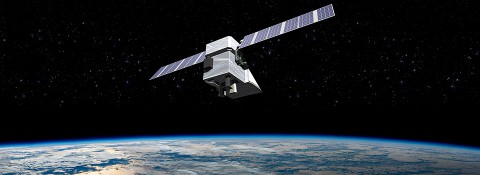
Learn about MethaneSAT, New Zealand's first official space mission as a country. The New Zealand Astrobiology Network interviewed Dr Peter...
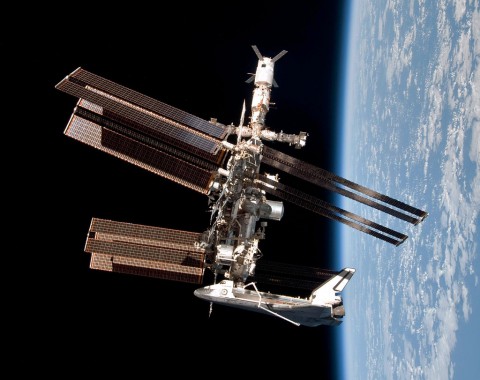
ISS: The Inhabited Artificial Satellite
Caitlin MacArthur, international space station, iss, satellitesimprovelife, scott kelly, world space week, wsw2020, 0The International Space Station (ISS) is the largest artificial satellite in Earth’s orbit (and in space that we know...
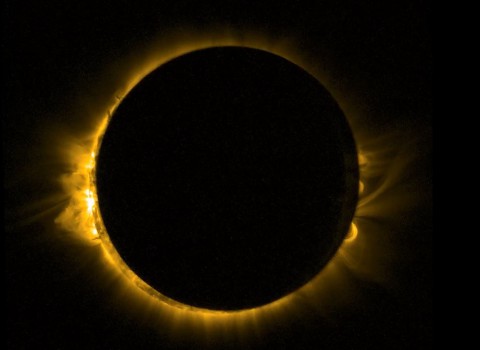
SolO: Studying the Heliosphere
Caitlin MacArthur, esa, satellitesimprovelife, solar orbiter, sun, world space week, wsw2020, 0The Solar Orbiter (SolO) is a satellite that was launched in February 2020 by the European Space Agency. It...
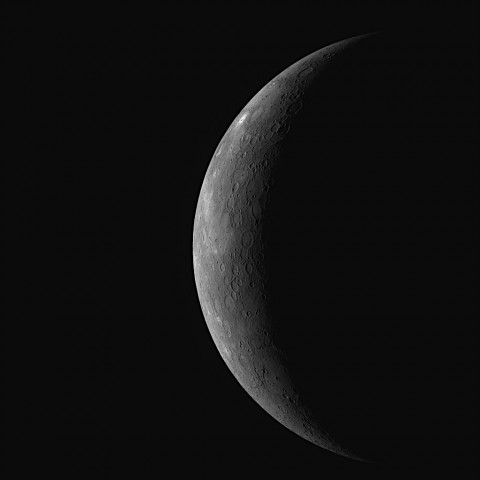
BepiColombo en route to Mercury
Caitlin MacArthur, bepicolombo, esa, jaxa, mercury, satellites, satellitesimprovelife, world space week, wsw2020, 0BepiColombo is a two-satellite cooperation between the European Space Agency and the Japan Aerospace Exploration Agency (JAXA) on a...
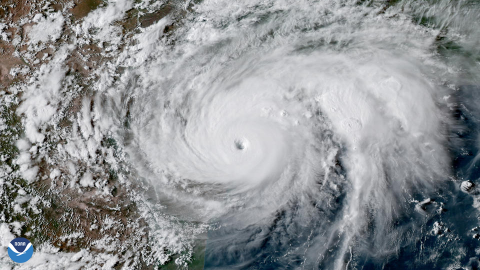
NOAA: Earth and Space Weather
Caitlin MacArthur, arctic wildfires 2019, dscvr, hurricane katrina, NOAA, NOAA satellites, satellitesimprovelife, solar storms, space weather, world space week, wsw2020, 0The National Ocean and Atmospheric Administration (NOAA) satellites are involved in monitoring the global (and space) climate to provide...
The Hubble Space Telescope
Caitlin MacArthur, hubble deep field, hubble space telescope, james webb space telescope, satellitesimprovelife, world space week, 0Happy World Space Week! Today we talk about the Hubble telescope. 4-10 October every year we celebrate space. In...
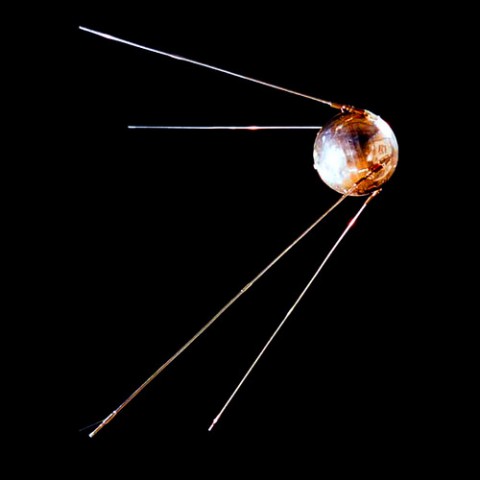
Sputnik 1 and the Space Age
Caitlin MacArthur, satellites, satellitesimprovelife, space race, sputnik1, world space week, 0Happy World Space Week 2020. Today's post is about mankind's first artificial satellite, Sputnik 1.
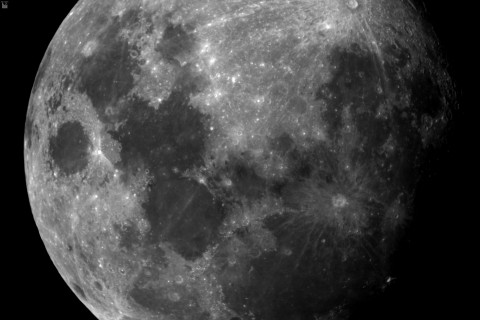
The Moon: Earth’s Natural Satellite
Caitlin MacArthur, Moon, nasaartermis, satellites, satellitesimprovelife, world space week, 0Happy World Space Week 2020. This year's theme is about satellites. Our first stop, the Moon.
Cart
Seeds in Space News
Stories, articles and information
- Three Siblings, Three Fates: Earth, Mars, and Venus 31 August 2025Life needs CHNOPS, the six essential elements Carbon, Hydrogen, Nitrogen, Oxygen, Phosphorus, and Sulphur. Curiosity found them on ancient Mars, but a new study shows Earth was born without them. Only a lucky impact with Theia made our world habitable. In contrast, Venus never stood a chance. Meet the three planetary siblings and discover why […]@milkywaykiwi
- The Rocky Road to Mars 31 August 2025Mars's mantle contains ancient fragments up to 4km wide from its formation—preserved like geological fossils from the planet's violent early history. The post The Rocky Road to Mars appeared first on Milky-Way.Kiwi.@milkywaykiwi
- Cosmic Rays and Muons 29 August 2025Cosmic rays are hitting the atmosphere constantly. One of the products of the collisions is muons, and we can detect muons on the surface of the Earth to learn about the cosmic rays. The post Cosmic Rays and Muons appeared first on Milky-Way.Kiwi.@space_samuel
- NGC6025 – A Cool Star Cluster To View 22 August 2025NGC6025 is an beautiful open cluster close to Beta Trianguli Australis in Triangulum Australe. Visible with binoculars and great in a telescope, well worth a look. The post NGC6025 – A Cool Star Cluster To View appeared first on Milky-Way.Kiwi.@space_samuel
- Earth, Space, and Vegemite—Space Roundup 🚀✨ 27 February 2025From ancient climate changes caused by our solar system’s galactic road trip to NASA’s dishwasher-sized Moon explorer and Australia launching Vegemite into space, this month’s space roundup has it all. Plus, if you ever need to call ET, the 21 cm hydrogen signal might be your best bet! And did you know rogue planets aren’t […]@milkywaykiwi